
Tag: technology
-
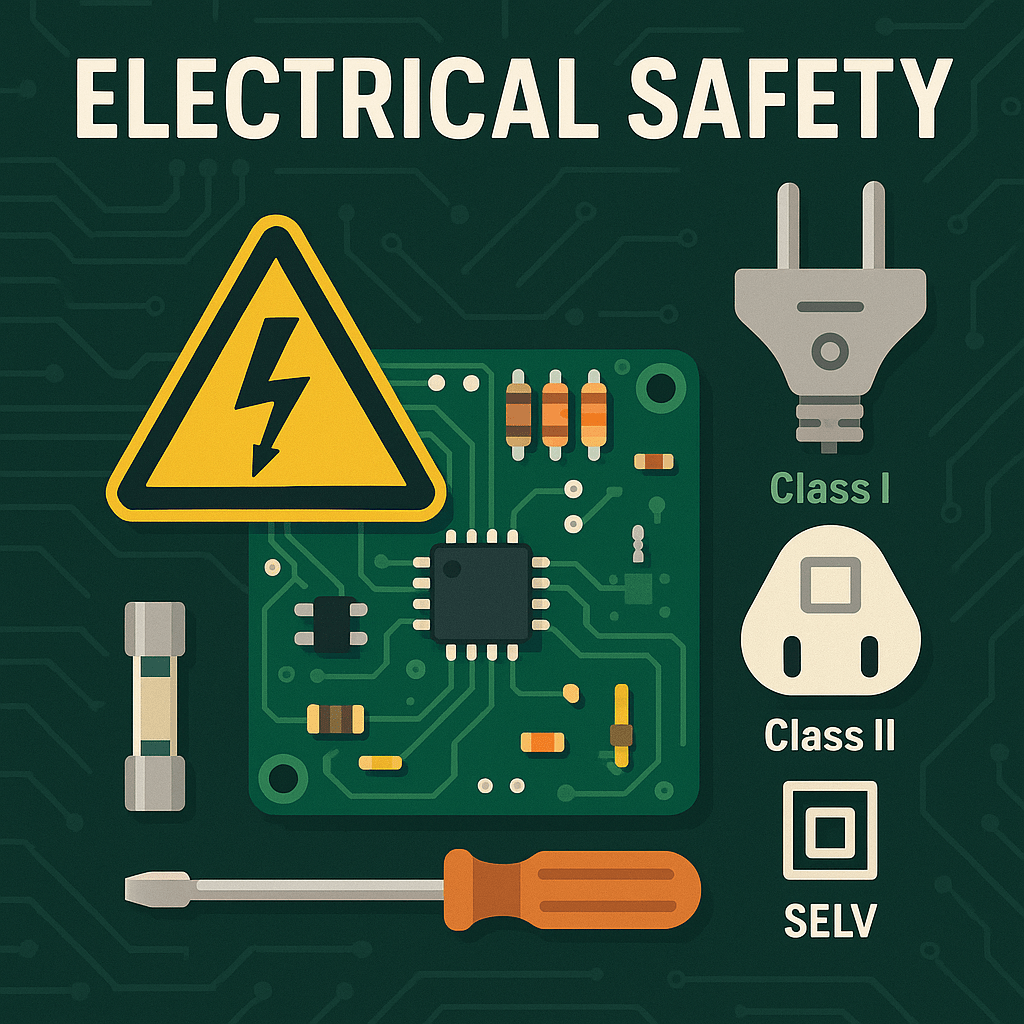
Design for Safety: Simply Explained
When designing electrical products, safety isn’t just a feature—it’s the foundation. Protecting users from electric shock and fire risks requires a thoughtful, people-first approach. It’s not only about ticking compliance boxes, but about understanding how real people interact with equipment and ensuring those interactions are safe under all conditions, including faults. Protecting Against Electric Shock…
Written by
·
-
Understanding Reliability in Electronics Engineering
In 2016, Samsung’s Galaxy Note 7 faced critical reliability issues due to battery design flaws, resulting in overheating and costly recalls. Reliability in electronics ensures safety, performance, and durability, particularly in safety-critical applications. Engineers can enhance reliability through robust component selection, thermal management, simplified designs, manufacturability, and rigorous testing methods.
Written by
·
-

EMC: The Project Killer
3 minutes read time Electromagnetic Compatibility (EMC) testing and certifications ensure that electronic devices operate as intended in their electromagnetic environment without causing or experiencing unacceptable interference. In today’s interconnected world, where electronic devices coexist in close proximity, EMC compliance is crucial for functionality, safety, and regulatory adherence. This essay explores what EMC testing entails,…
Written by
·
-

DFMEA: What and Why
Design Failure Mode and Effects Analysis (DFMEA) is a proactive tool for risk assessment in product design, identifying potential failures and their impacts. It prioritizes risks through a Risk Priority Number (RPN) and enhances product reliability, safety, and compliance. While beneficial, DFMEA can be time-consuming and relies on team expertise and data quality.
Written by
·
 RNM Innovate